

Ken Stueben Remembered: The Visionary Who Built Oakmont Hiking Club
Ken Stueben, founder of the Oakmont Hiking Club, has passed away at the age of 95. For those who have walked our region's trails, shared a trailhead conversation, signed up for a short ramble, an intermediate outing, a long hike, or a Tri-niter, Ken’s influence is still underfoot.
He helped create more than a hiking schedule. He built a welcoming structure that made the outdoors easier to join, easier to enjoy, and easier to share. His gift to Oakmont was simple and lasting: he made room on the trail for more people.

A life shaped by curiosity, science, and the outdoors
Ken had a Ph.D. in organic chemistry, a field that asks for patience, close observation, and a comfort with complexity. Those qualities also fit a serious hiker. Anyone who plans hikes knows that a good outing depends on attention to detail. Trails, mileage, pace, weather, terrain, transportation, food, and timing all matter.
Ken brought that thoughtful mind to the trail.
Before Oakmont, he had already spent many years hiking with the Sierra Club, both back East and out West. That long connection shaped his understanding of what a hiking group could be. The Sierra Club tradition was never only about exercise. It was also about companionship, stewardship, planning, and the joy of being outside with people who cared about the land.
Ken carried those values with him.
He knew the pleasure of a well-chosen route. He knew how much confidence people gained when a hike was organized well. He understood that the outdoors opens up when someone takes the time to invite others, explain the plan, and make the route feel possible.
That spirit became the foundation of the Oakmont Hiking Club.
The Oakmont Ken found in 1987
When Ken moved to Oakmont in 1987, the local walking scene looked very different from the club many members know today.
At the time, the only “walking” group was mostly made up of men who walked 8 to 10 miles in the surrounding parks. For strong walkers, that likely made for satisfying outings. For many others, it left little room to begin.
Eight to 10 miles can be a full day for someone new to hiking. It can be too far for someone who wants a social outing, a scenic walk, or a moderate challenge. It can also exclude people who would enjoy the outdoors if they had a better entry point.
Ken saw the gap.
His insight was practical and generous. If the only option is a long walk, many people will stay home. If there are choices, people can join at the level that fits them. They can build confidence. They can move up when ready, or simply enjoy the route that suits them best.
That may sound obvious now, but it took vision to recognize it and take action.
Ken did not treat hiking as a test that only the fittest could pass. He treated it as a shared pleasure that could be organized so more people could participate.

The 1989 idea that changed the club
In 1989, Ken started the structure that still defines the Oakmont Hiking Club: short, intermediate, and long hiking groups.
That idea changed everything.
With three levels, the club could welcome different abilities, interests, and schedules. Members no longer had to choose between staying home and taking on a route that felt too demanding. They could find a place to begin.
The structure also gave the club room to grow. A short hike could serve people who wanted fresh air, views, and community without a demanding day. An intermediate hike could give members a satisfying challenge. A long hike could continue to serve those who wanted greater distance and stamina.
The result was not a divided club. It was a broader one.
Ken’s approach recognized something every strong community learns over time: access matters. A good club does not ask everyone to fit one mold. It creates paths that meet people where they are.
That is why his idea lasted.
The short, intermediate, and long groups did more than sort hikes by distance. They created a culture of welcome. They allowed new members to say yes. They allowed couples and friends with different abilities to remain involved. They gave leaders a clear way to plan. They turned a walking group into a true hiking club.
Ken’s vision made participation the heart of the club.
Many of the men in the early walking group wanted their wives to join them outdoors. Ken’s structure helped make that possible. At the time, some women may have been more likely to join if the outing felt approachable and social, not only strenuous. The new format opened the door wider.
And as time moved forward, the club changed with it.
Today, men and women happily take part in all hiking options, including short, intermediate, and long hikes. That progress says a great deal about the strength of the foundation Ken helped lay. He created a model flexible enough to grow beyond the assumptions of its time.
The spirit behind the Tri-niters
Ken was also instrumental in starting the biannual Tri-niters, another tradition that helped shape the social life of the club.
The original thinking reflected the era. The idea was that many wives might enjoy shopping while the men hiked. Today, that detail may bring a smile, since the women of the club now join fully in every hiking option. The story also shows how the club evolved, and how a good idea can become larger than its first purpose.
The Tri-niters created something valuable: time away together.
A multi-day outing changes the rhythm of a club. Members share meals. They compare routes. They talk in cars, at trailheads, and after the day’s walk is done. They see new places together. Friendships deepen because there is time for them to grow.
Ken understood the value of those experiences. He knew that a hiking club becomes stronger when members travel, explore, and return with shared stories.
A day hike can be wonderful. A trip can become part of club history.
The biannual Tri-niters gave Oakmont hikers a reason to look ahead, plan, sign up, and set out beyond familiar routes. They added anticipation to the calendar. They also helped create memories that lasted long after the bags were unpacked.

Suzanne Bond and a shared life on the trail
Ken met his longtime partner, Suzanne Bond, through the Sierra Club. That detail feels fitting. For Ken, the outdoors was not a hobby kept at the edge of life. It was woven through his friendships, his travels, and his closest partnership.
Ken and Suzanne lived together in Oakmont for the last 34 years. During that time, they traveled to multiple countries on hiking trips that Ken planned.
For those who knew Ken and Suzanne through the club, their partnership stood as another expression of a life built around trails and companionship.
The Sierra Club brought them together. Oakmont became their home. Hiking gave shape to much of what they shared.
What Ken built still guides the club
A founder’s true legacy is not only what began during their lifetime. It is what continues because of them.
Someone had to notice that one long walking group was not enough. Someone had to imagine a better structure. Someone had to organize it, explain it, and keep it going long enough for it to become tradition.
Ken was that person.
The best community builders often leave behind systems that feel natural after years of use. Newer members may not always know who first created the framework they enjoy. They simply experience the benefit of it.
That is one reason remembrance matters.
To remember Ken is to remember that the club did not appear fully formed. It grew because he cared enough to build something better. It grew because he understood that hiking is more joyful when it includes others. It grew because he had the patience to turn an idea into a working club.
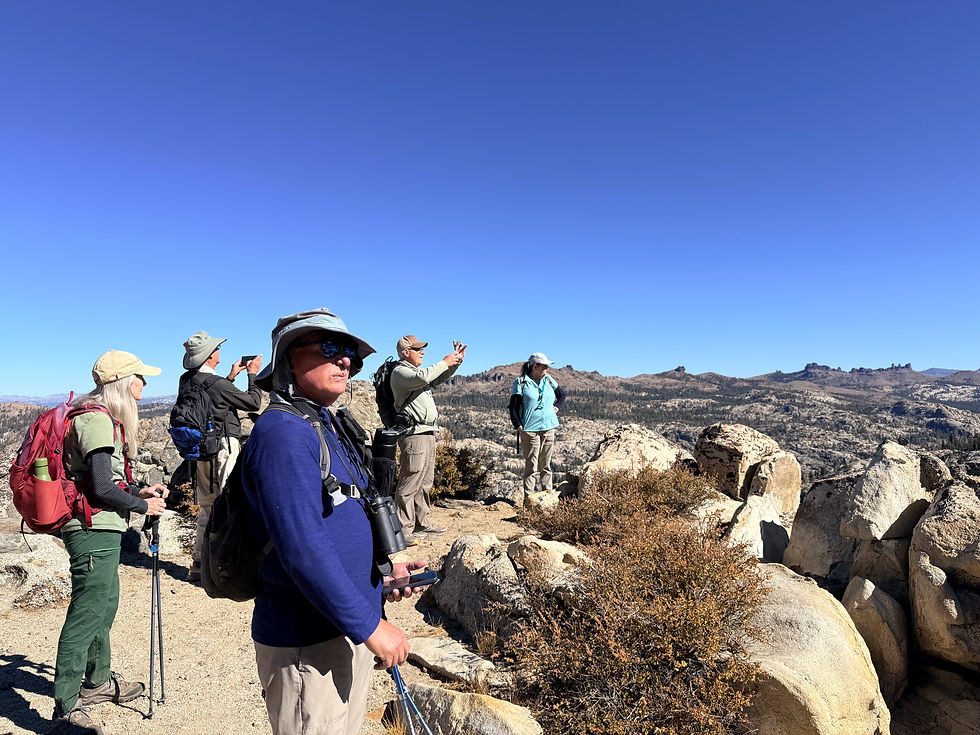
A legacy measured in miles and friendships
Ken’s contributions cannot be measured only in the number of hikes he planned or the club structures he started. His legacy lives in quieter ways.
It lives in the person who tried a short hike and discovered they loved being outdoors.
It lives in the member who moved from intermediate hikes to longer ones after gaining confidence.
It lives in the friendships formed on trail breaks, in carpools, over shared lunches, and during Tri-niter trips.
It lives in the women who now join every level of hiking with enthusiasm, strength, and joy.
It lives in the club’s habit of making space for many kinds of hikers.
Ken helped create a place where people could keep exploring, keep moving, and keep belonging. That is a rare and generous thing.
At 95, he had lived a long life. Within that life, the Oakmont Hiking Club holds a special chapter. His move to Oakmont in 1987 led to a change that began in 1989 and continues today. What started as a thoughtful response to a local need became a lasting part of the community.
There is gratitude in every retelling of that story.
We are eternally grateful for all Ken gave to the Oakmont Hiking Club. His vision, planning, and love of hiking helped make the club what it is today. Every time members gather at a trailhead, choose the hike that fits them, and set out together, they carry forward a part of what he began.
Ken Stueben will be remembered not only as the founder of a beloved club, but as someone who opened the trail for others.


Comments